EXPLAINERS · AUG 7
Dew Point: The Number That Tells You How It Feels
Why dew point beats relative humidity for judging comfort: what the number means, the comfort bands, and why 90 degrees in Phoenix and Miami are different animals.

Grounded in National Weather Service definitions; suitable for classrooms and other curious humans.
The dew point is the temperature the air would need to cool to for its moisture to start condensing. It measures how much water vapor is actually in the air, which is what your skin cares about. Below the mid 50s feels dry, the 60s turn sticky, and anything in the 70s is tropical. Unlike relative humidity, dew point does not change its story every time the temperature moves.
What the number means
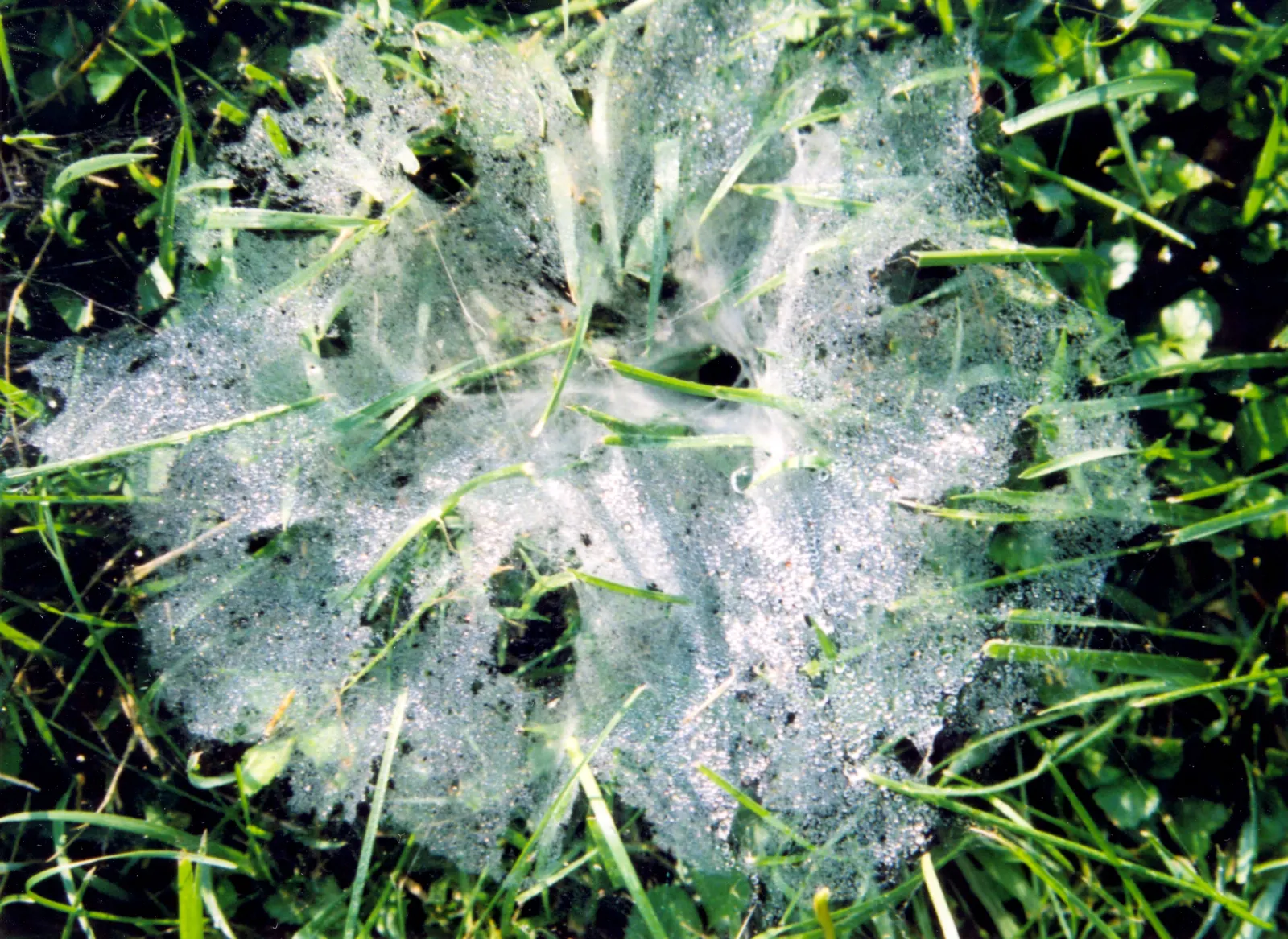
Cool a parcel of air and its ability to hold water vapor shrinks. The is the temperature where that shrinking ability finally matches the moisture already present, and begins: dew on grass, fog in valleys, sweat that will not dry. More moisture in the air means a higher dew point. That is the whole trick.
Why it beats relative humidity
compares moisture to what the air could hold at its current temperature, so it swings wildly as the day warms and cools without a single drop of moisture changing. A desert dawn can read 85 percent humidity and feel wonderful; a Gulf Coast afternoon can read 55 percent and feel like soup. Dew point ignores the drama. A dew point of 72 feels like 72 dew point weather at any hour, in any state.
Phoenix versus Miami
Ninety degrees with a dew point of 40 is dry heat: sweat evaporates instantly and cooling works. Ninety with a dew point of 75 shuts the machine down; the air is too full of moisture to accept much more, so sweat sits on the skin and the heat compounds. Same thermometer, different planets. This is also why tables need two inputs, not one.
Reading your own weather
Watch the dew point line in the forecast the way you watch temperature. Falling dew points behind a mean crisp relief even if the thermometer barely moves. A dew point crossing 70 on a summer evening promises a sweaty night and fuel for any storms that find the trigger. The air is telling you its plans; dew point is the sentence that matters.
Words in this lesson
Every marked word above is here in full, because a definition that only appears on hover is no use to somebody reading on a phone, printing the page, or listening to it.
- Condensation
- Water vapour turning back into liquid droplets. It happens when air cools to its dew point, and it is the moment a cloud becomes visible.
- Dew point
- The temperature air must cool to before its moisture starts condensing. It is an absolute measure of how much water the air holds, which is why it beats relative humidity for judging how a day will feel.
- Front
- The boundary where two air masses of different temperature and moisture meet. Air gets lifted along a front, which is why most of a map's clouds and rain queue up on one.
- Heat index
- What temperature plus humidity feels like. Caution to extreme danger.
- Relative humidity
- How full of moisture the air is compared with the most it could hold at that temperature. It moves when the temperature moves even if no water is added or removed, which is why it misleads people about comfort.
This is a Foundation lesson
It belongs to the Weather School, which is free and always will be: twenty lessons from toddler to adult, every one with a printable worksheet and answer key that any classroom may copy. No account, no cost, no catch.
Another one at this level: hottest part of the day.
For teachers and every lesson.
Definitions in this explainer follow the National Weather Service. The rock checked twice. The rock always checks twice.