EXPLAINERS · AUG 9
From Clear to Overcast: How Sky Cover Is Measured
Partly cloudy, mostly sunny, overcast: the okta system behind sky cover words, what each band means, and why two apps can disagree about the same sky.

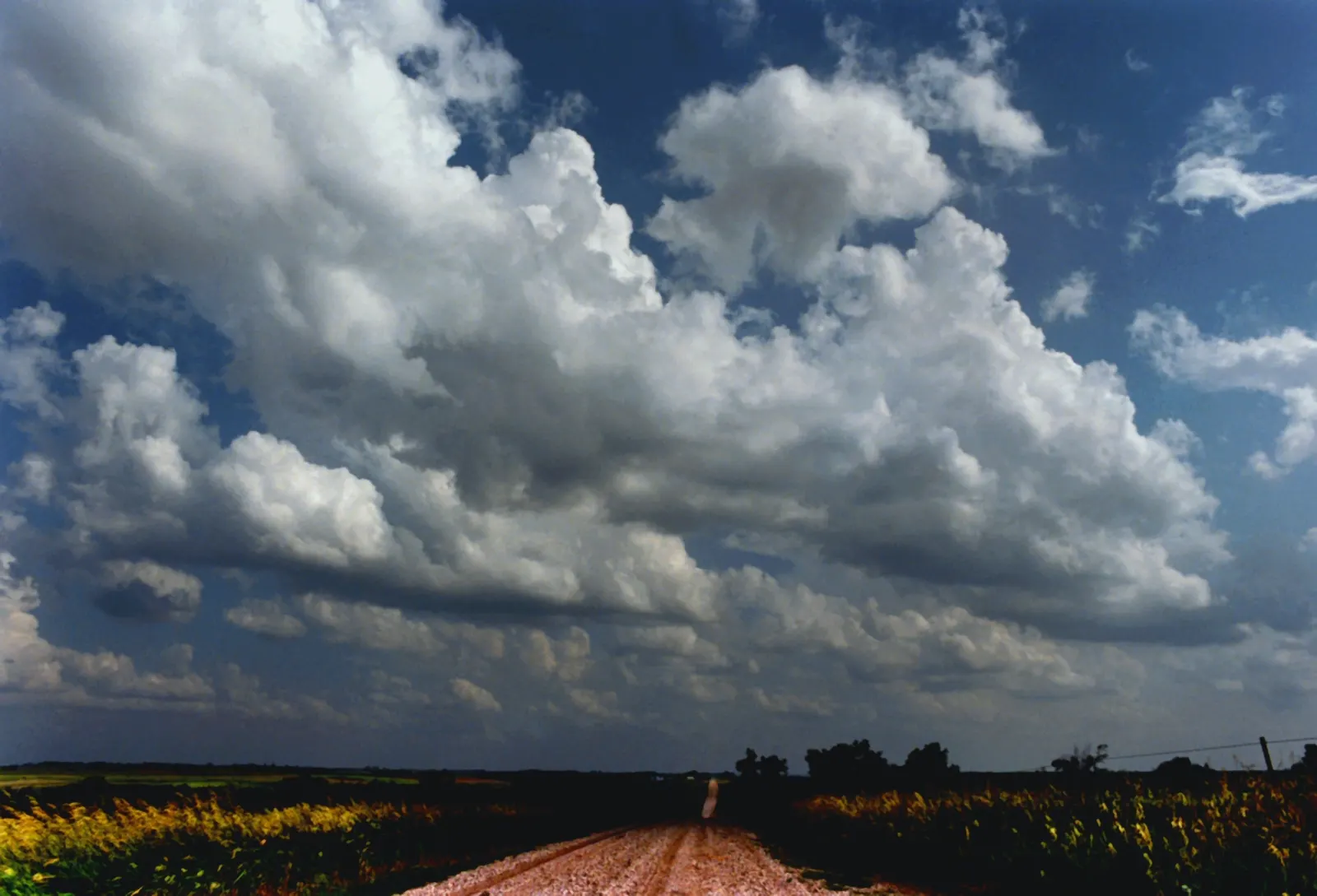
Grounded in National Weather Service definitions; suitable for classrooms and other curious humans.
Sky cover is measured in oktas: eighths of the dome above you covered by cloud. Zero to one okta is clear or sunny, one to two is mostly clear, three to five is partly cloudy, six to seven is mostly cloudy, and eight is overcast. The words are bands over a number, which is why two forecasts can describe one sky differently at the edges.
Grading in eighths
Observers, and now satellites and models, divide the sky into eight imaginary slices and count how many are hidden by cloud. That count, zero through eight, is the . Every familiar sky word is just an okta range wearing clothes.
The official bands
- Clear or : zero to one okta. The sun operates unopposed.
- Mostly clear, mostly sunny: one to two oktas. A cloud or two, allowed on aesthetic grounds.
- Partly cloudy, partly sunny: three to five oktas. The sky is half committed, and both phrasings are legal.
- Mostly cloudy: six to seven oktas. Sun cameos only.
- Overcast: eight oktas. A full gray ceiling, wall to wall.
Why apps disagree about one sky
A five okta sky sits on the border between partly and mostly cloudy, and different providers round differently, sample different hours, or blend different models. Neither app is lying; both are translating a number near a boundary into words that only change at boundaries. Day versus night phrasing adds more wobble, since partly sunny needs a sun to be partly.
Cloud cover and your plans
High thin cirrus can cover eight oktas and still cast usable sunlight, while a single towering can own the afternoon. Pair the coverage word with cloud height and thickness when it matters: photographers chase interesting partly skies, solar panels prefer low okta counts, and stargazers want zero and are rarely accommodated.
Words in this lesson
Every marked word above is here in full, because a definition that only appears on hover is no use to somebody reading on a phone, printing the page, or listening to it.
- Clear
- Zero to one okta of cloud. Full sun.
- Sunny
- Zero to one okta of cloud. Full sun.
- Cumulus
- A heaped, cauliflower cloud built by rising air. Given enough moisture and lift it can grow into a shower or a thunderstorm.
- Mostly clear
- One to two oktas of cloud.
- Mostly cloudy
- Six to seven oktas. More cloud than sun.
- Okta
- One eighth of the sky. Sky cover is counted in oktas, from zero for clear to eight for overcast, which is why the familiar sky words are really just bands of a number.
- Overcast
- Eight oktas. Full gray ceiling.
- Partly cloudy
- Three to five oktas. Sun and cloud trade places.
This is a Foundation lesson
It belongs to the Weather School, which is free and always will be: twenty lessons from toddler to adult, every one with a printable worksheet and answer key that any classroom may copy. No account, no cost, no catch.
Another one at this level: dew point.
For teachers and every lesson.
Definitions in this explainer follow the National Weather Service. The rock checked twice. The rock always checks twice.